The Android Moment for Robots
When Google launched Android in 2008, it did not build one phone. It built a platform — an operating system, a developer ecosystem, and a set of tools that any hardware manufacturer could build on. The result was that Android became the default software layer for billions of devices.
Nvidia is making the same bet on robotics.
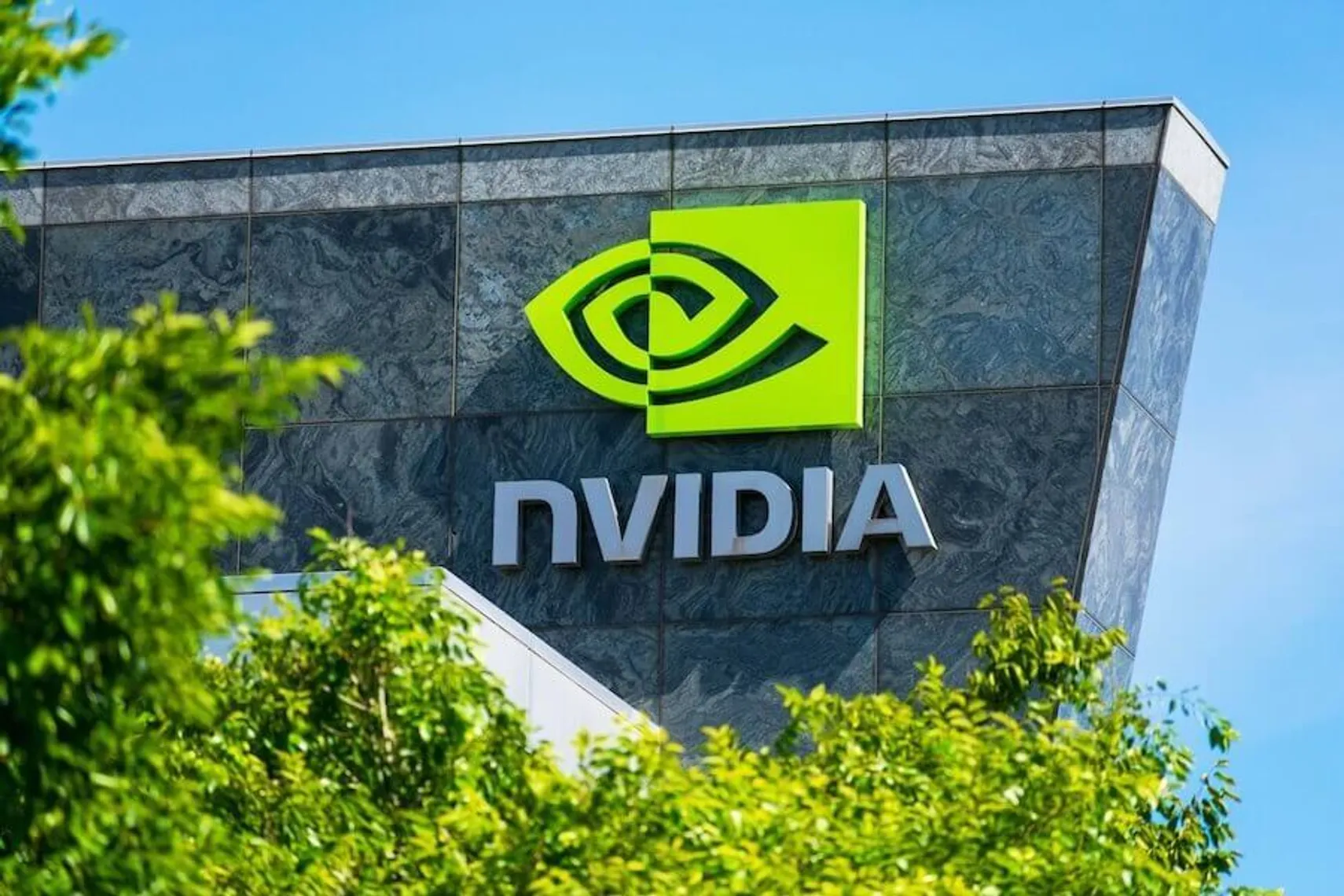
At CES 2026, Nvidia unveiled a comprehensive full-stack ecosystem for physical AI — foundation models, simulation tools, edge hardware, and developer APIs — all designed to become the default platform that robot manufacturers, software developers, and enterprises build on.
What Nvidia Announced
Isaac Foundation Models — A new family of open foundation models available on Hugging Face that allow robots to reason, plan, and adapt across many tasks and environments. Unlike narrow task-specific models trained for one job, these models are designed to generalize — a robot trained with Isaac models should be able to handle novel situations it has never seen before.
Cosmos Simulation Platform — A physics-based simulation environment that generates photorealistic synthetic training data. The sim-to-real gap — the challenge of making virtual training translate to real-world performance — has been one of the biggest obstacles in robotics. Cosmos is Nvidia's answer to that problem.
Jetson Thor — A new edge computing platform designed specifically for humanoid robots and autonomous machines. It provides the on-device compute needed to run foundation models in real time, without relying on cloud connectivity.
Isaac Lab and Isaac ROS — Developer tools that integrate with ROS 2 (the standard robotics operating system) and provide a complete development environment for building, testing, and deploying robot software.
The Platform Play
What makes Nvidia's announcement significant is not any single component — it is the integration. By providing the full stack from simulation to training to edge deployment, Nvidia is positioning itself as the layer that everything else builds on.
This is the Android strategy. Android did not compete with individual apps. It provided the platform that apps ran on. Nvidia is not competing with individual robot manufacturers or software companies. It is providing the platform that all of them build on.
For developers, this means a standardized set of tools, APIs, and models that work across different robot hardware. For manufacturers, it means access to a large ecosystem of software and developers. For enterprises deploying robots, it means more choices and lower switching costs.
What This Means for the Data Layer
A platform like Nvidia's generates enormous amounts of data. Every robot running Isaac models is producing sensor data, telemetry, logs, and performance metrics. Every simulation run in Cosmos generates training data that needs to be stored, versioned, and retrieved.
As the robotics ecosystem grows on top of Nvidia's platform, the demand for robust data infrastructure grows with it. Storing and querying time-series sensor data, managing training datasets, logging robot behavior for debugging — these are database problems.
CredVault's platform is designed for exactly this kind of workload. Our real-time telemetry storage, visualization platform, and database infrastructure are built to handle the data that physical AI systems generate at scale.
The Race Is On
Nvidia's move into robotics reflects a broader industry shift. AI is moving off the cloud and into machines that operate in the physical world. The enabling technologies — cheaper sensors, better simulation, more capable foundation models — are all converging at the same time.
The companies that define the platform layer for physical AI will have the same kind of leverage that Android had in mobile. Nvidia is making its move. The rest of the industry is responding.